


-
Campus Access and Heritage
Free Access to All Significant Buildings
Universiti Sains Malaysia provides free access to all significant buildings and ensures public access to buildings and natural heritage landscapes of cultural significance. This open-access reflects USM’s long-standing commitment to cultural preservation, education, and community inclusion.
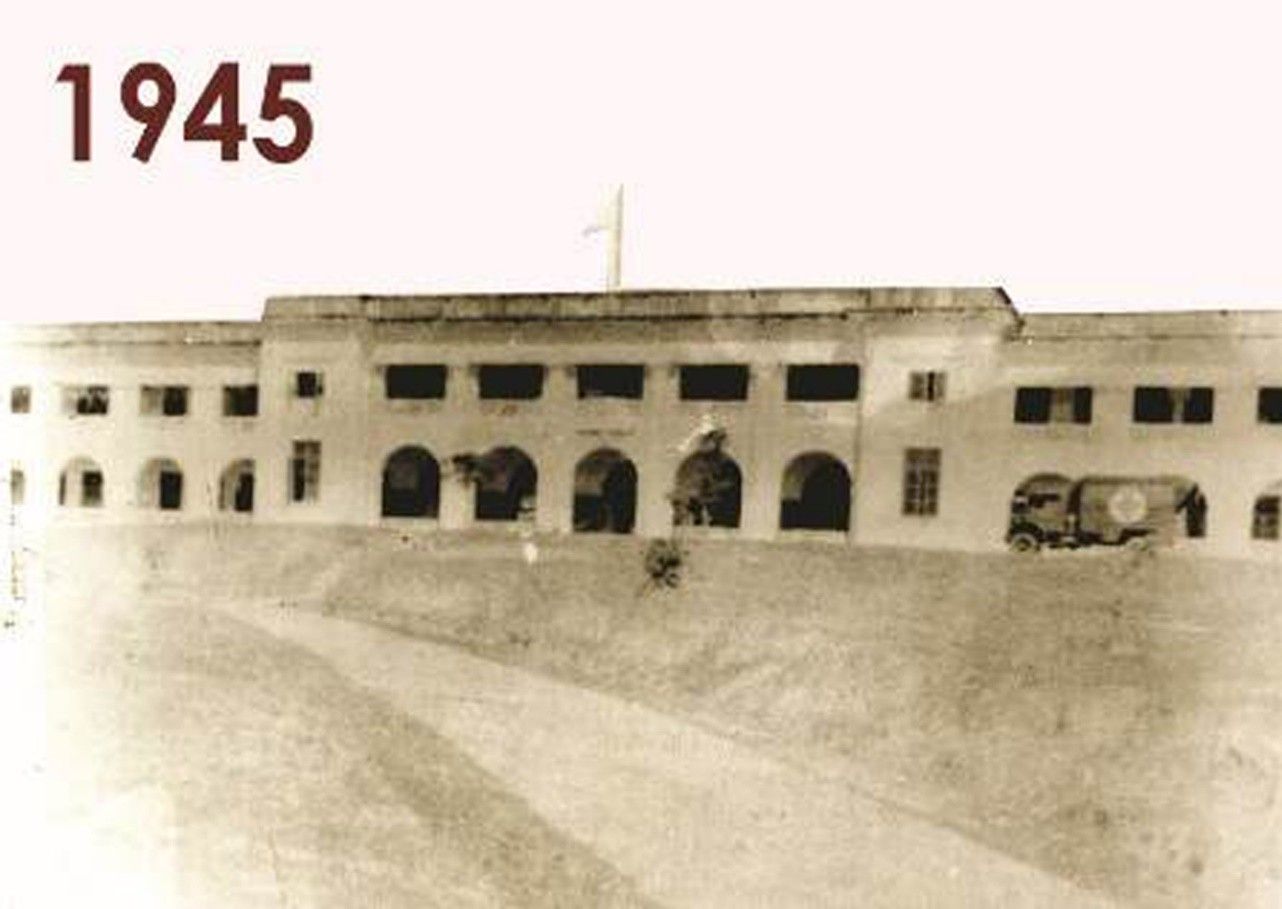
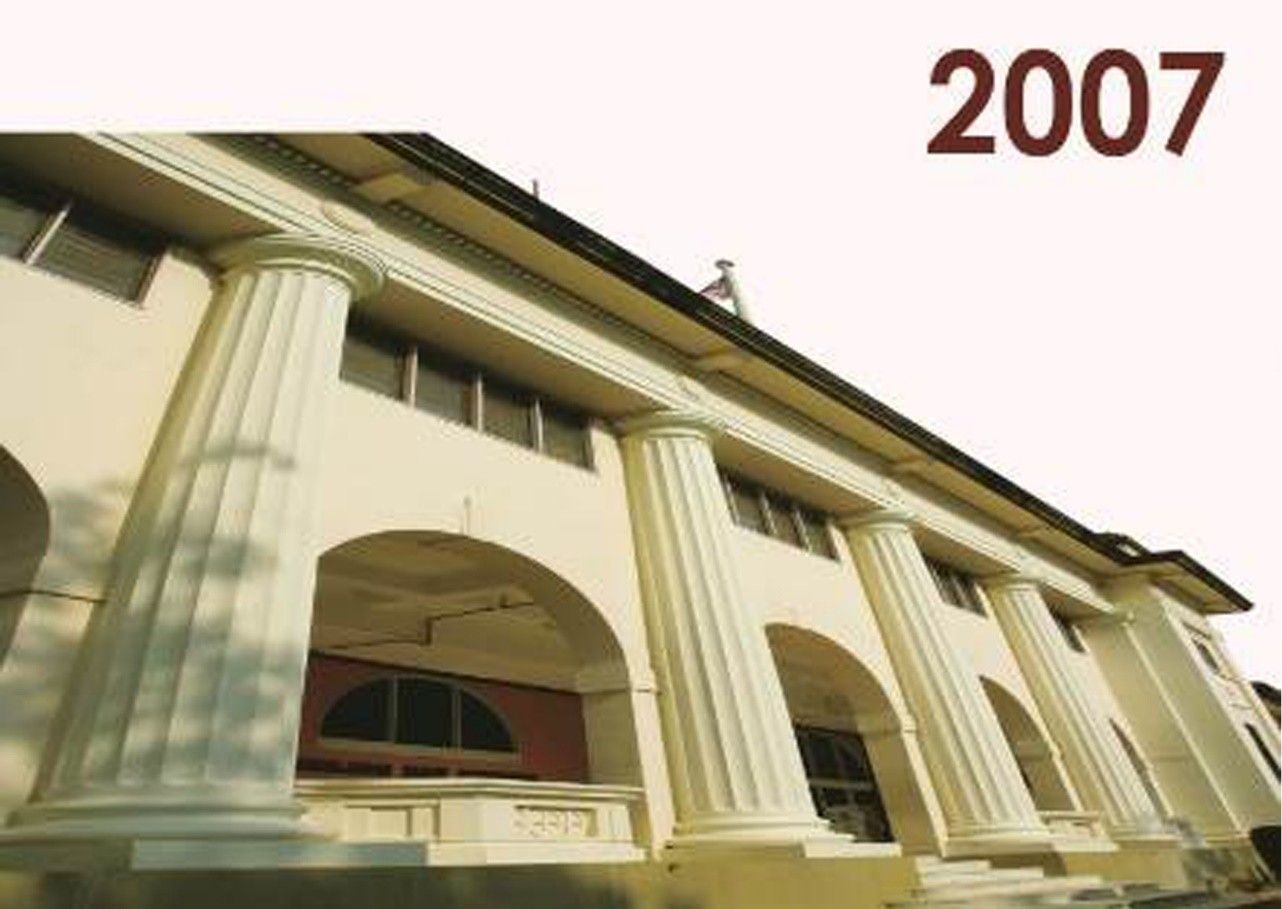
Established in 1969 as Malaysia’s second university, USM relocated in 1971 to its 416.6-hectare campus at Minden, Penang. The site, formerly known as Minden Barracks, retains its historical and architectural heritage within a setting of natural hills and green landscapes. These cultural assets are maintained as part of USM’s role as a living heritage campus.
Among the buildings freely accessible to the public are the Bumbledee Building, Tuanku Fauziah Museum and Art Gallery (MGTF), Galeri Adiwarna at the School of the Arts, and the Centre for Global Archaeological Research. Each of these spaces provides opportunities for learning, exploration, and appreciation of Malaysia’s cultural, artistic, and scientific heritage.
By maintaining free public access to all significant buildings, USM ensures that its historical, artistic, and natural assets remain open to visitors, researchers, and the community. This commitment strengthens public engagement with cultural heritage and reinforces the University’s mission to preserve and share Malaysia’s educational and historical legacy.

Free Public Access to Library
Universiti Sains Malaysia ensures inclusive and equitable access to knowledge through the Krisalis system by maintaining automatic free public access to libraries including books and publications. This initiative reflects USM’s commitment to open education, lifelong learning, and the democratization of information for students, researchers, and the wider community.
The Krisalis Online Public Access Catalogue (OPAC) serves as the university’s central digital gateway to printed and non-printed resources across all USM libraries. It enables anyone to freely search and locate books, theses, reference materials, and academic publications. In addition, Krisalis Discovery expands access to journals, research outputs, and local publications, connecting users to a broad range of scholarly and creative content.
USM’s libraries are open throughout the year and provide reading areas, archives, and digital facilities for public use. By maintaining automatic free public access to libraries including books and publications through the Krisalis system, USM strengthens its role as an inclusive knowledge hub dedicated to literacy, research advancement, and community engagement.
Free Access to All Museums and Galleries
Universiti Sains Malaysia (USM) actively provides public access to museums, exhibition spaces, and galleries, including works of art and artefacts, ensuring that cultural and artistic heritage remains open to everyone. The University maintains free access to all museums and galleries, reaffirming its commitment to education, creativity, and the preservation of Malaysia’s diverse cultural legacy.
Heritage buildings, monuments, and natural landscapes within the USM campus are a living testament to its historical and cultural significance, beautifully documented in the University in A Garden publication. Through these heritage spaces and cultural institutions, USM invites the public to explore, learn, and celebrate Malaysia’s artistic and historical identity.
Among the university’s key public cultural facilities are:
- Dewan Budaya – A dynamic performing arts and cultural centre established in 1994 to promote Malaysia’s arts, culture, and heritage. It regularly hosts theatre performances, concerts, and art exhibitions, providing free access to the public and creating a vibrant platform for creative exchange.
- Galeri Adiwarna (School of the Arts) – A dedicated art and design gallery that showcases traditional and contemporary works by students, faculty, and local artists. Open to the public with free admission, Galeri Adiwarna fosters artistic dialogue and innovation through regular exhibitions and creative showcases.
- Tuanku Fauziah Museum and Art Gallery (MGTF) – USM’s flagship art and heritage museum, featuring extensive collections of Malaysian fine art, ethnography, and cultural artefacts. The gallery also offers free online access through its Virtual Gallery, which includes curated exhibits from its Ethnography and Fine Art Collections.
- Centre for Global Archaeological Research (CGAR) – A research and archaeological museum featuring artefacts from the Sungai Batu Archaeological Site and the UNESCO World Heritage Site of Lenggong Valley. Its Virtual Museum provides public access to Malaysia’s earliest civilisations and archaeological discoveries.
Through these institutions, USM demonstrates how cultural preservation, education, and public engagement intersect. Each gallery and museum fosters public understanding of Malaysia’s artistic, historical, and archaeological heritage, nurturing appreciation for creativity and identity.
By maintaining free access to all museums and galleries, USM strengthens its role as a custodian of national culture and heritage while encouraging the public to participate in the ongoing story of Malaysia’s arts and history.

-
Sustainable Campus Practices
Measuring and Setting Targets for Sustainable Commuting
Universiti Sains Malaysia (USM) continues to measure and set targets for more sustainable commuting (walking, cycling or other non-motorized transport, vanpools, carpools, shuttlebus or public transportation, motorcycle, scooter or moped, or electric vehicles) as part of its institutional mobility strategy to reduce carbon emissions and promote low-carbon lifestyles across all campuses. Guided by the USM 5-Year Sustainability Action Plan (2024) (pp. 34–39), this initiative aligns with the university’s broader goal of fostering environmentally responsible behaviour and ensuring sustainable mobility infrastructure.
The Action Plan outlines clear short-, medium-, and long-term targets. These include a 30% increase in bicycle usage and walking activities in the short term, a 50% increase in both modes in the medium term, and a 70% increase in cycling with a 90% increase in walking in the long term, along with a 30% reduction in registered motor vehicles on campus. These goals are supported by improved pedestrian routes, enhanced cycling facilities, and traffic management measures that encourage a shift from private motor vehicles to shared and non-motorized transport.
Progress is measured through vehicle registration data, campus mobility surveys, and participation tracking in initiatives such as BikeCommute@USM, Dr. Bike, and Car-Free Campus Days. These activities provide data on travel modes and participation trends, allowing the university to assess its performance and refine interventions that support active and sustainable commuting choices.
Through this structured and measurable approach, Universiti Sains Malaysia demonstrates an ongoing institutional commitment to sustainable mobility, ensuring continuous improvement toward a greener, healthier, and more energy-efficient campus environment.
Allowing Telecommuting and Remote Working at Universiti Sains Malaysia
Universiti Sains Malaysia adopts the national Public Service Human Resource Circular (PPSM) Version 1.0, 2024, which includes the updated Section SR.4.1.2: Work-From-Home (WFH) Policy, allowing government-linked institutions to implement telecommuting as part of normal operational practice. By adopting this national framework, USM ensures that flexible and remote working arrangements are applied consistently, responsibly and in line with current public-sector standards.
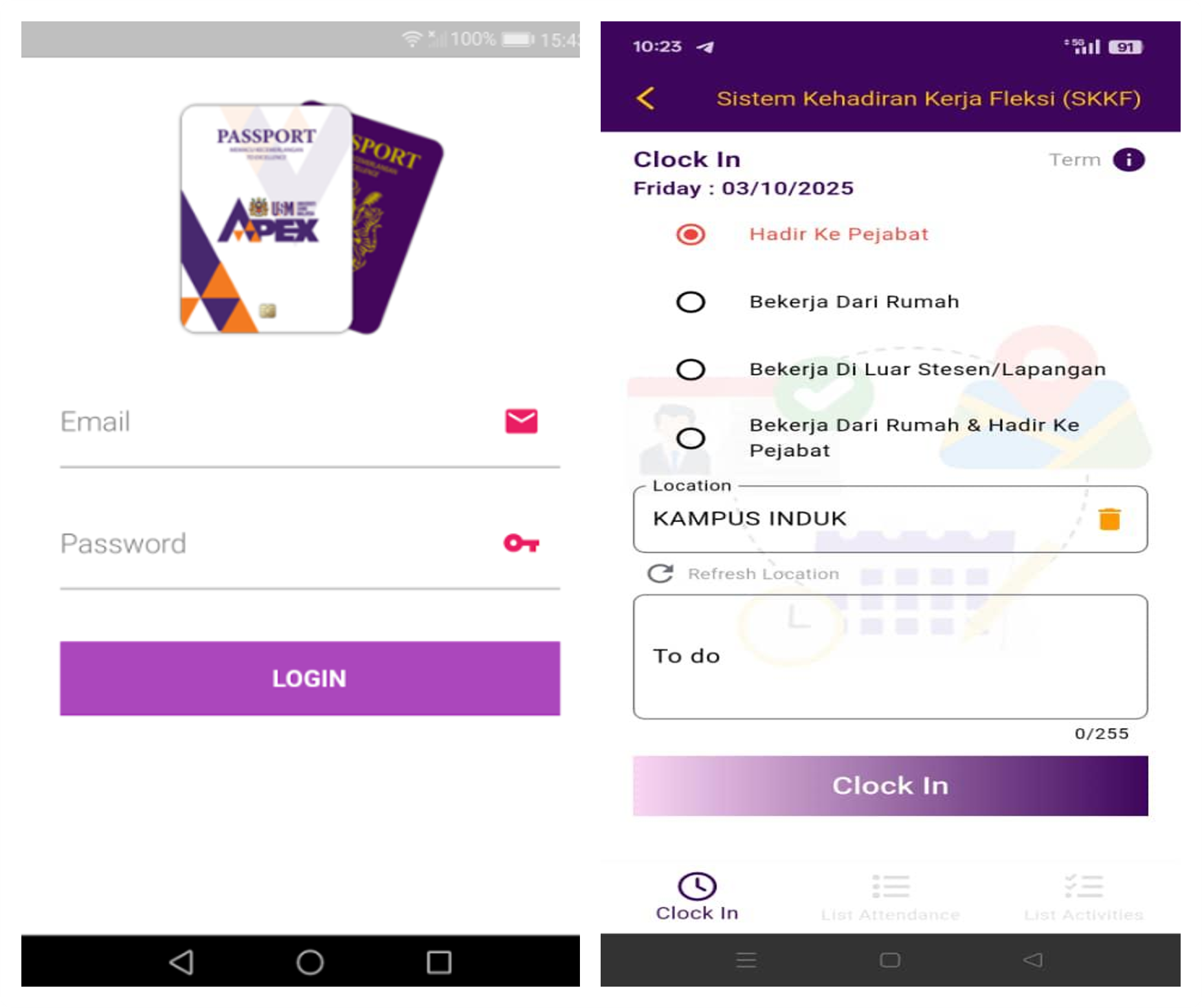
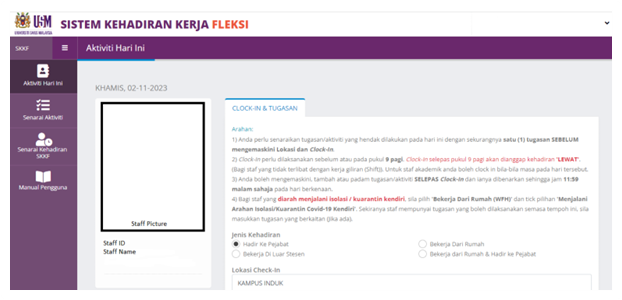
To support these arrangements, USM utilises the Sistem Kehadiran Kerja Fleksi (SKKF) via the Passport USM platform, where staff record attendance, indicate work modes such as on-site, Work From Home, outstation or hybrid, and document official tasks. Supervisors verify submissions digitally, ensuring accountability and performance monitoring while maintaining flexibility for employees.
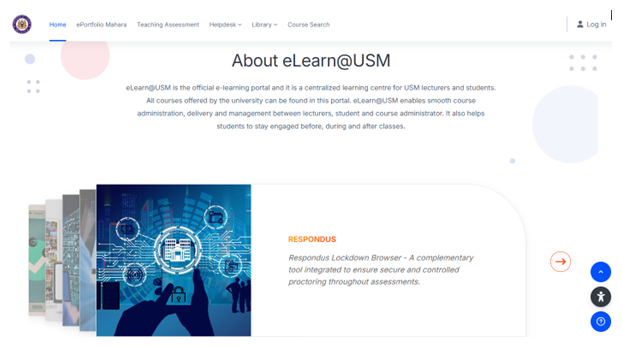
Throughout 2024, USM strengthened its digital ecosystem to ensure uninterrupted work processes regardless of location. Staff receive official Microsoft Teams and Webex accounts for virtual meetings and cross-campus collaboration. Teaching and learning activities are supported through eLearn@USM and Panopto, enabling lecturers to conduct, record and manage courses remotely. Administrative operations such as leave applications and financial transactions are fully digital through E-Cuti and FIS@USM, allowing essential tasks to be completed securely from any location.
Through these systems, USM promotes and allows telecommuting and remote working for employees as a matter of standard practice, reducing commuting needs, improving staff well-being and reinforcing sustainable work environments. This integrated approach demonstrates USM’s commitment to flexible, efficient and environmentally responsible workplace practices.

Prioritising Pedestrian Access on Campus
Universiti Sains Malaysia has established a strong commitment to prioritising pedestrian access on campus, as detailed in the USM Sustainability Action Plan 2021-2025 (pp. 34–39) under the Mobility section. The plan explicitly outlines the identification of pedestrian and walking zones through simulation, modelling, and GIS mapping, along with the implementation of pedestrian and walking areas to promote safe, accessible, and low-carbon mobility across all campuses.
The Action Plan also defines measurable targets, including a 10%–70% increase in walking and cycling activities and 100% traffic and safety awareness among campus users in the long term. These outcomes confirm that USM’s pedestrian-first approach is both strategic and data-driven, integrating infrastructure, behavioural change, and environmental goals to reduce reliance on motorised transport.
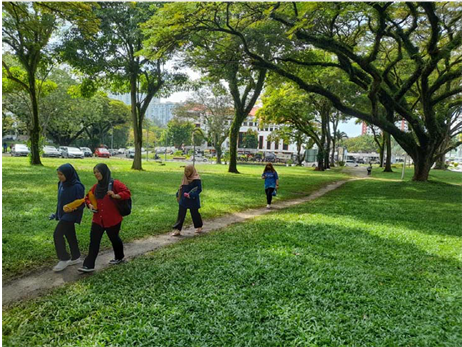
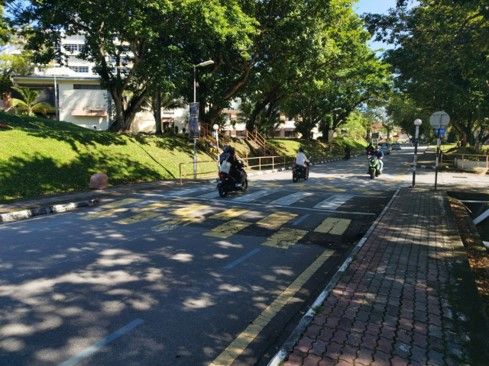
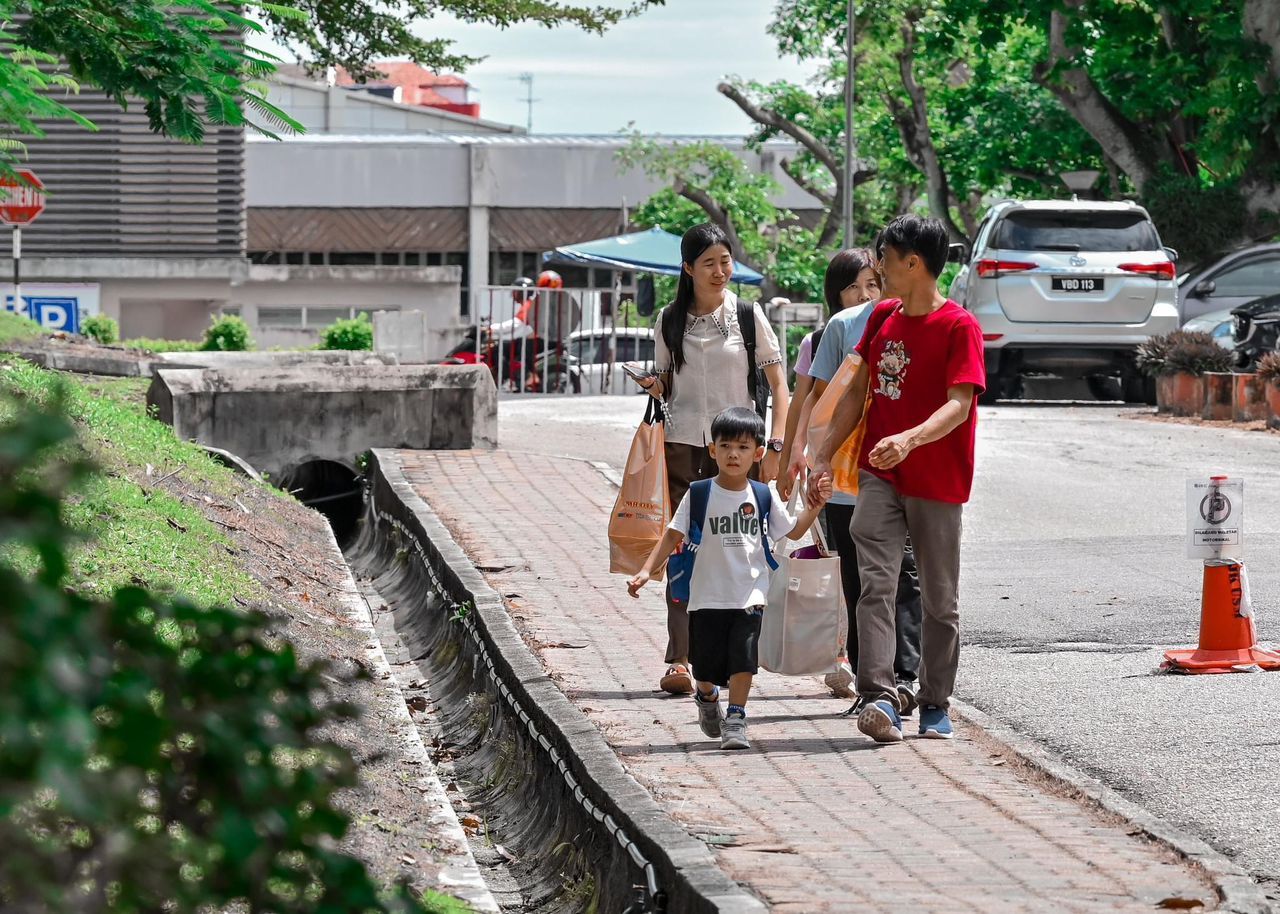
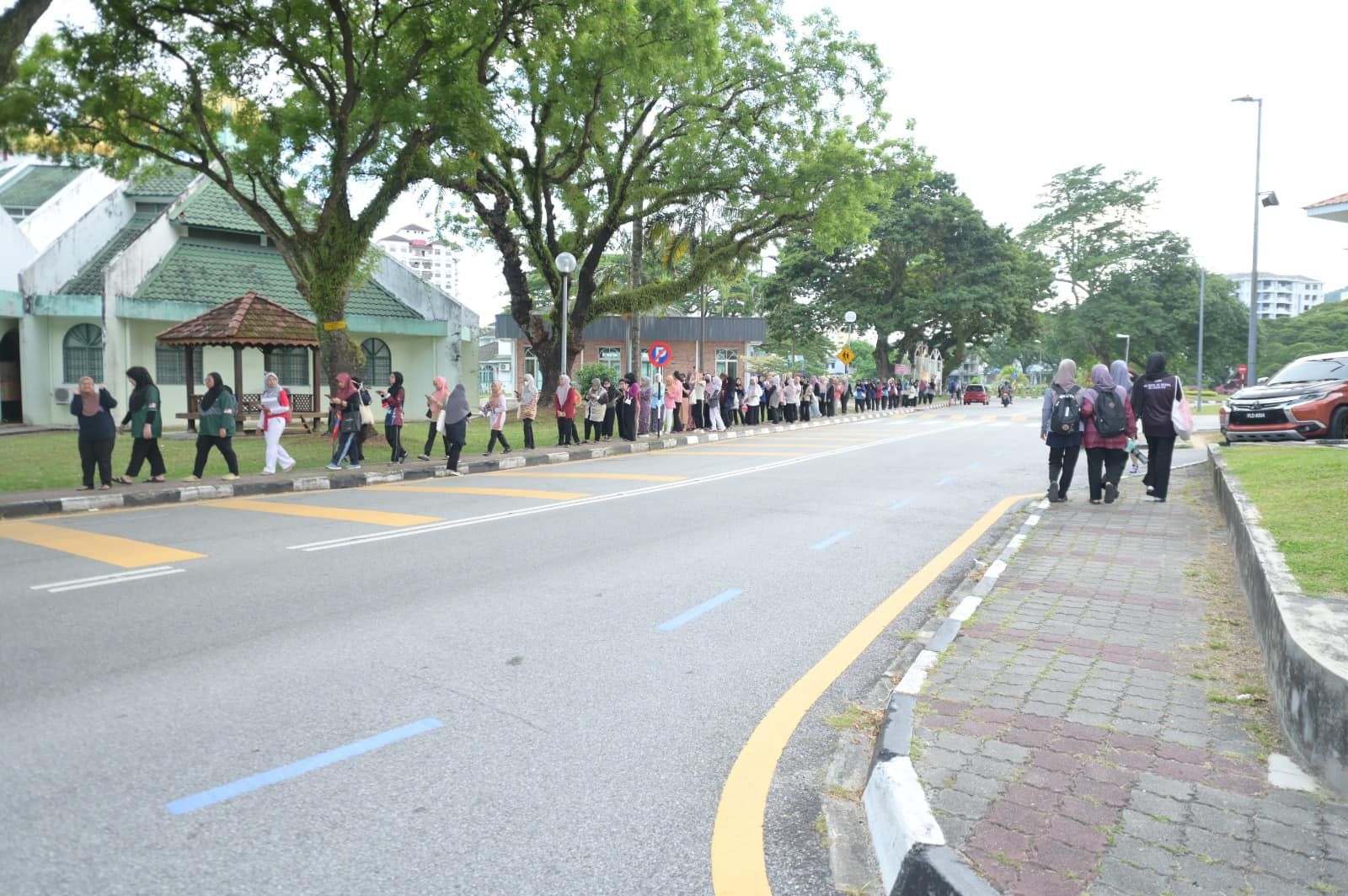
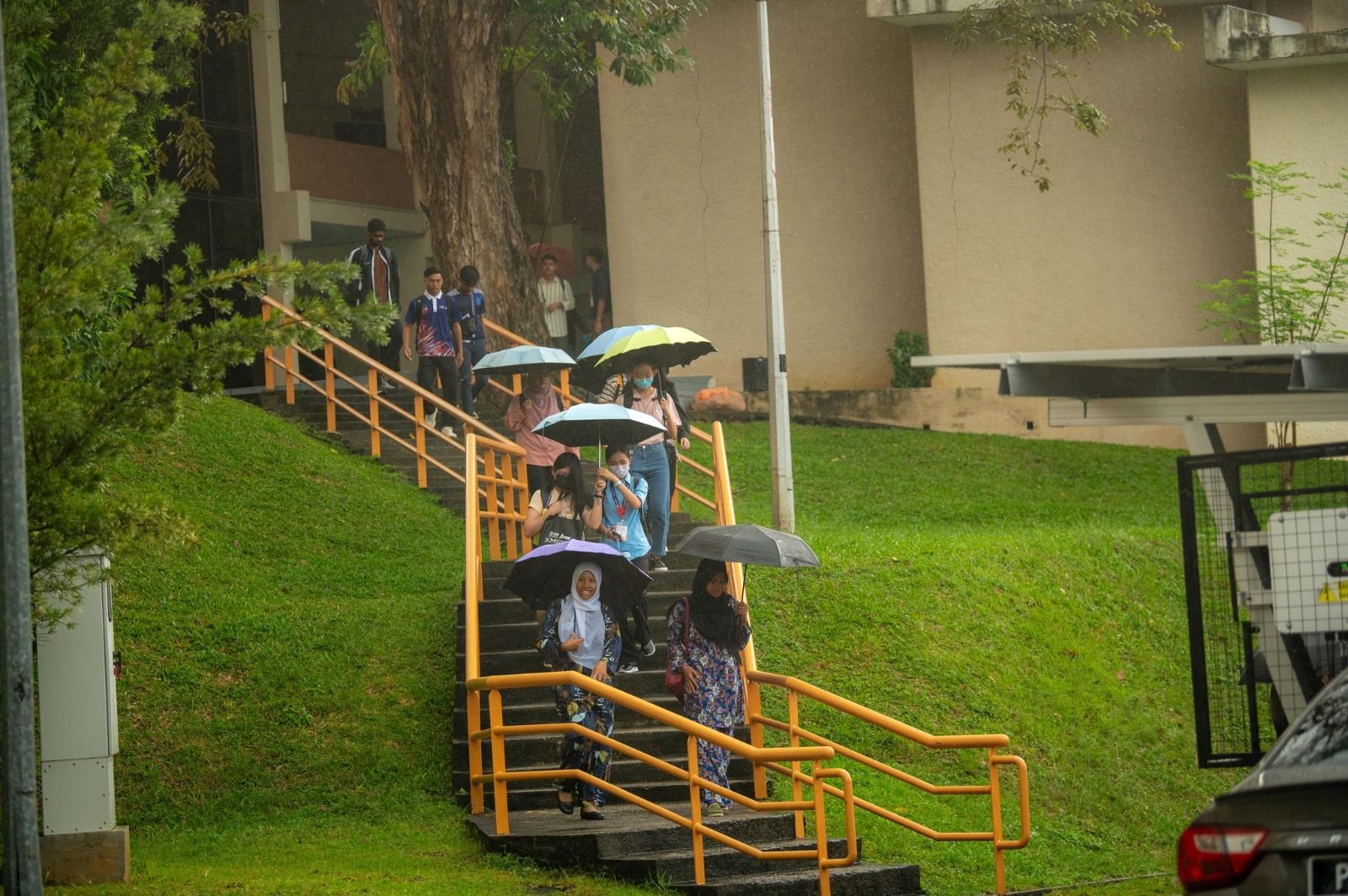
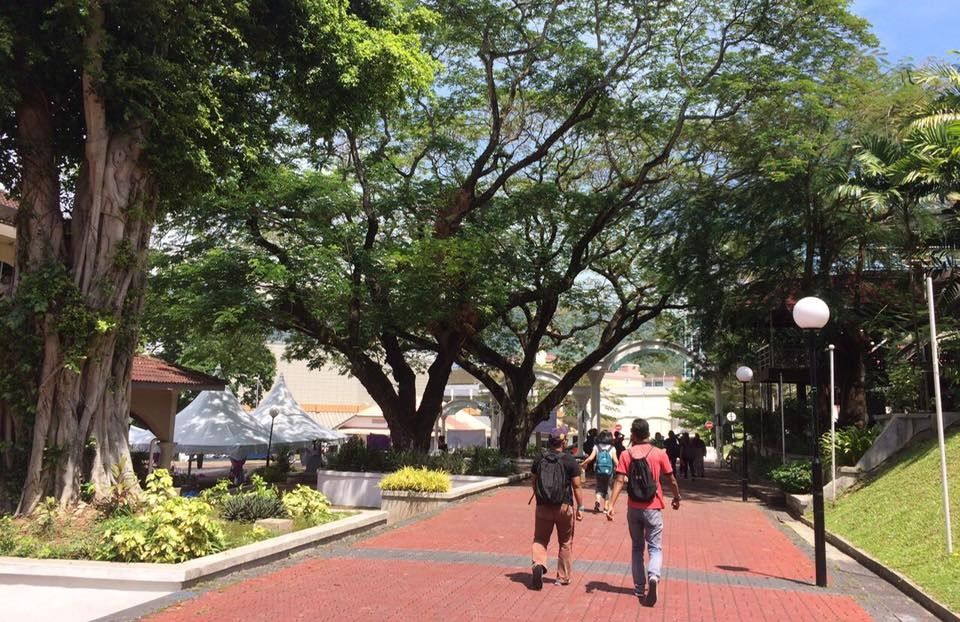
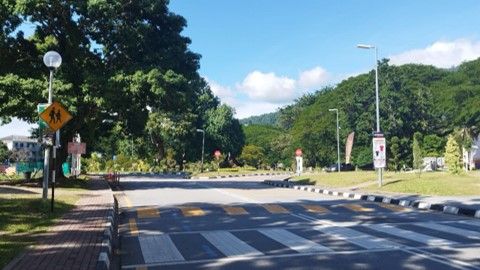
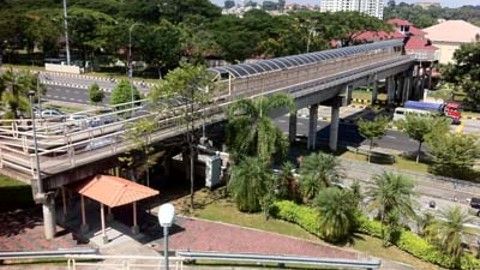
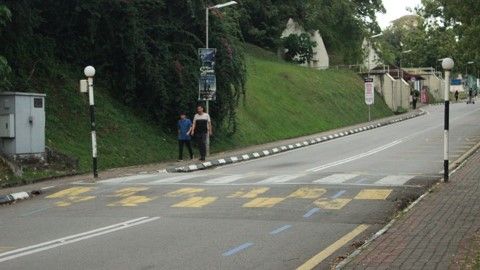
To enhance walkability and user comfort, shaded pedestrian walkways, designated crossings, and connected footpaths link major academic, residential, and administrative zones. These facilities are complemented by clear wayfinding signage, green corridors, and traffic management measures that restrict vehicle movement in high-foot-traffic areas. Together, these efforts create a campus environment that encourages walking as the primary mode of movement while supporting health, safety, and inclusivity for all users.
Through these actions, USM demonstrates the existence of prioritisation for pedestrian access within its sustainability framework, ensuring that walking remains the most convenient and sustainable mobility choice. Please refer to the pictures below for images of pedestrian pathways and green corridors across the campus.
-
Inclusive Housing and Planning
Affordable Housing for Employees
Universiti Sains Malaysia demonstrates its strong commitment to staff welfare and social sustainability by providing affordable, equitable, and accessible housing options alongside structured financial assistance for employees at all levels. This approach ensures that all staff, including academic, technical, and administrative personnel, can enjoy safe and stable living conditions while contributing to a sustainable and inclusive campus community.
Evaluating affordability
USM regularly reviews its staff housing rates to ensure they remain well below Penang’s average rental market prices, which typically range from RM800 to RM1,200 per month for comparable accommodations near the campus. In contrast, USM’s on-campus housing rentals range between RM200 and RM350 per month, representing a subsidy of about 60 to 80 percent. This pricing policy aligns with the national housing affordability definition used by the Ministry of Housing and Local Government, which considers housing affordable if costs do not exceed 30 percent of median household income. Based on this standard, USM housing remains highly affordable for employees earning at or below the median public service salary.Providing housing directly
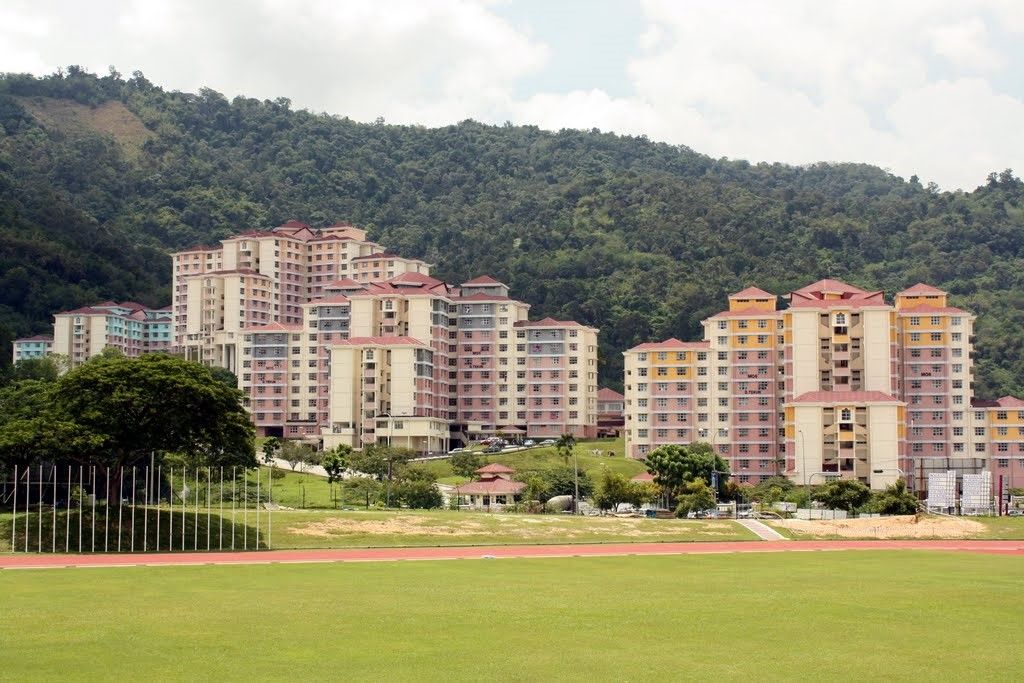
USM provides on-campus residential quarters and staff housing units for eligible employees, including on-call officers, housing officers (penggawa) and technical staff. These facilities are located within or close to the university grounds, reducing commuting time, transportation costs, and carbon emissions. Direct housing provision promotes convenience, safety, and a more balanced lifestyle for staff while supporting the university’s sustainable development objectives.Providing financial support
To complement its direct housing provision, USM offers monthly housing allowances under the national Public Service Remuneration Scheme. The allowance ranges from approximately RM300 to RM1,100 per month depending on employment grade, ensuring fair and proportional support for all categories of staff. Employees facing additional financial hardship may also apply for welfare assistance through the Registrar’s Department to help manage essential living costs, strengthening the university’s commitment to equitable welfare support.Through these initiatives that include evaluating affordability, providing housing directly, and offering financial support, USM fully meets the requirement to provide affordable housing for employees. These efforts reflect the university’s commitment to social inclusivity, equitable welfare, and sustainable workforce development.

Affordable Housing for Students
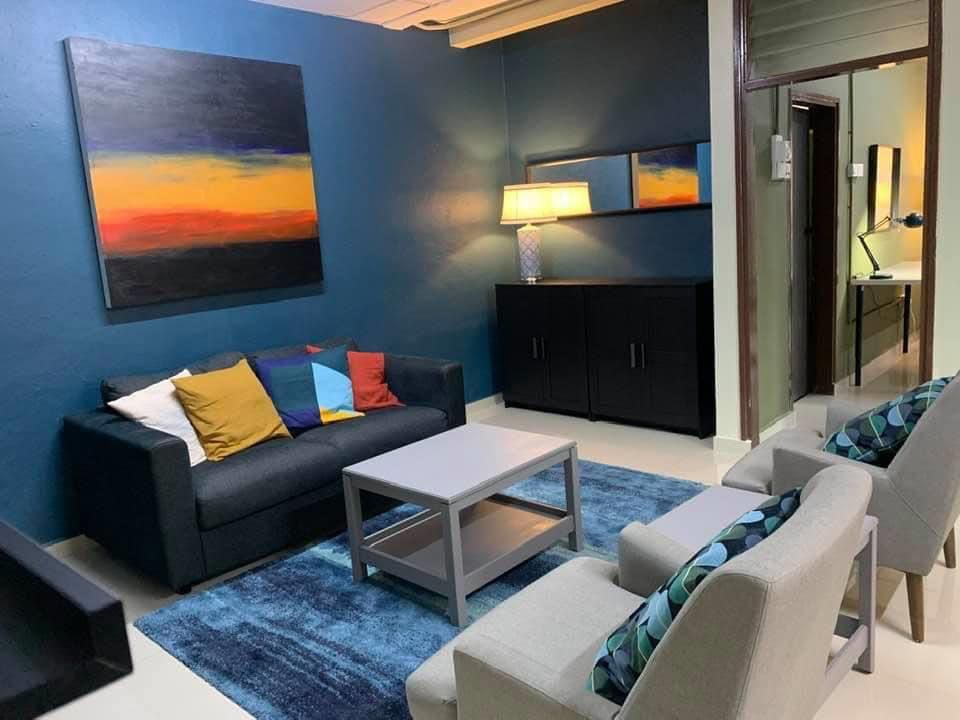
Universiti Sains Malaysia (USM) is committed to ensuring that all students have access to safe, inclusive and affordable accommodation that supports their academic success and overall well-being. The university fulfils all core elements of affordable student housing by evaluating affordability, providing housing directly and offering targeted financial assistance.
Evaluating affordability
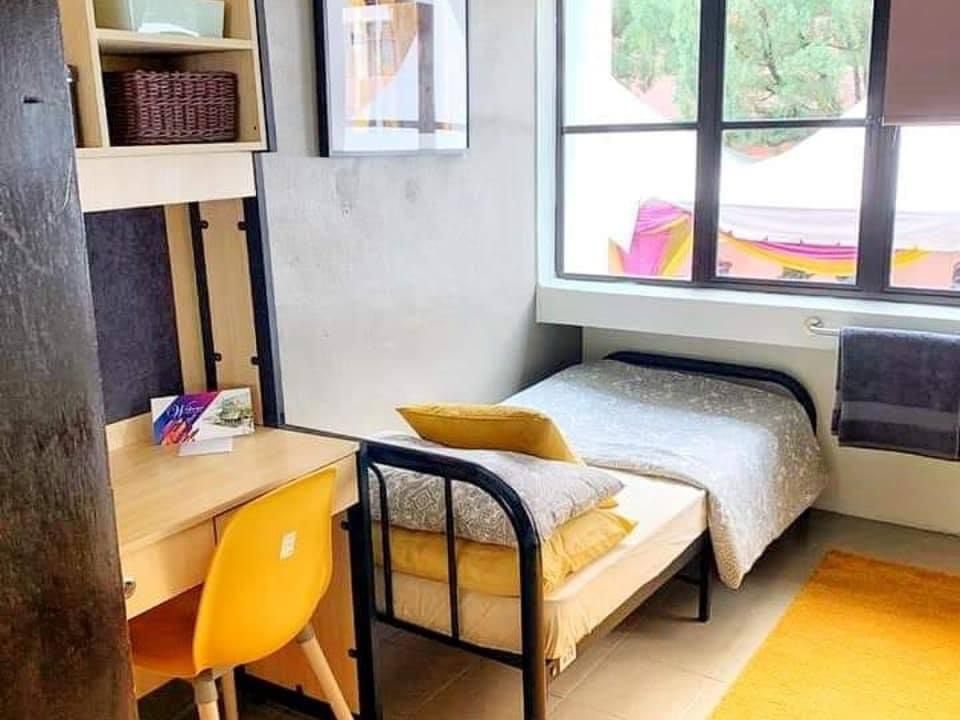
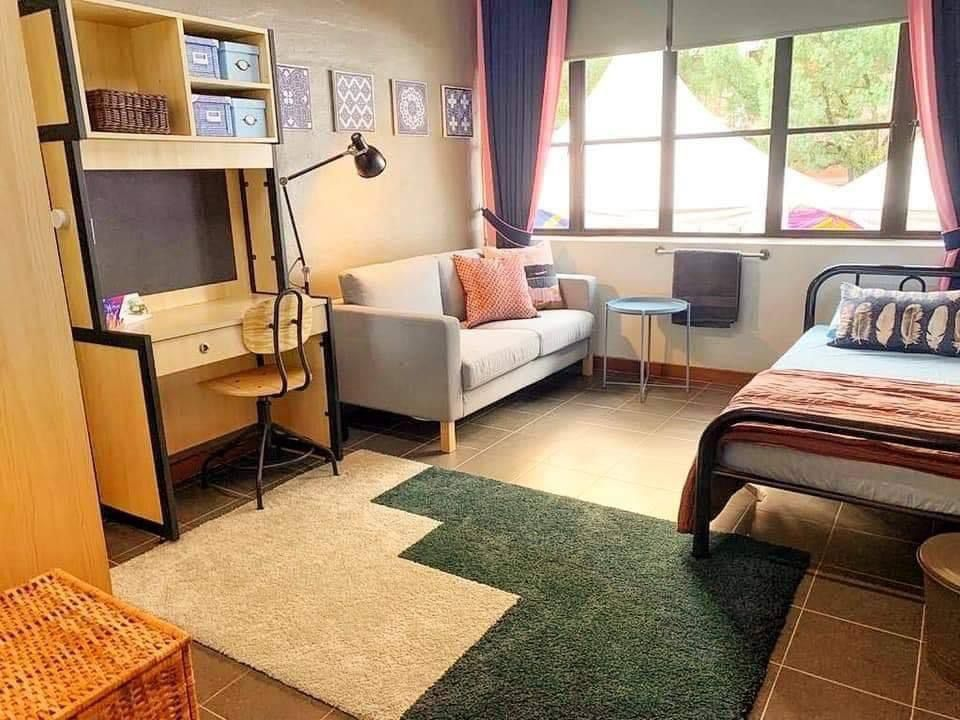
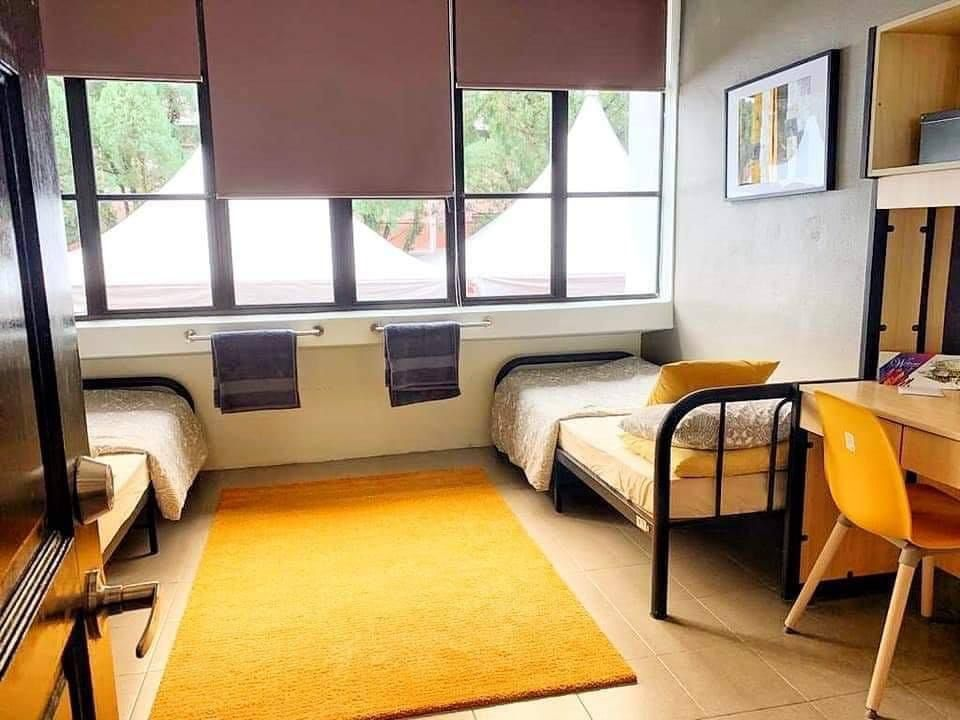
USM offers on-campus accommodation at rates significantly below the prevailing rental market in Penang, where private rooms near the university typically cost RM350 to RM600 per month. In contrast, Desasiswa hostel rates range from RM5 to RM6 per day per student, equivalent to RM150–RM180 per month and inclusive of utilities and shared facilities. This represents a subsidy of approximately 60 to 75 percent compared to private rental options, ensuring that student housing remains below the national affordability guideline of 30 percent of household income. The Student Development and Alumni Affairs Division (BHEPA) reviews these rates periodically to maintain equity and sustained affordability, especially for students from lower-income families.Providing housing directly
USM provides housing directly through a comprehensive network of Desasiswa hostels across its campuses, ensuring that students have access to affordable, safe and community-oriented accommodation. Each Desasiswa offers essential amenities such as cafeterias, laundry rooms, prayer spaces, study areas and recreational facilities that support daily living and holistic student development. The Desasiswa network includes Aman Damai, Bakti Permai, Cahaya Gemilang, Fajar Harapan, Indah Kembara, Restu, Saujana, Tekun and the International House on the Main Campus, as well as Jaya and Lembaran on the Engineering Campus and Murni and Nurani on the Health Campus. At Desasiswa Aman Damai, rooms are provided free of charge for students with disabilities, ensuring direct housing support at no cost and fostering an inclusive and accessible campus environment.Providing financial support
To ensure that financial constraints do not hinder students from securing accommodation, USM offers several targeted assistance schemes. Through the Program Pembangunan Siswa SULUNG 3.0, students from low-income households may register for hostel accommodation without upfront payment. Additional financial support is available through Tabung Kebajikan Pelajar, Tabung Zakat USM and various welfare funds administered by BHEPA. Students registered under the national e-Kasih programme also receive discounted hostel rates, further reducing financial burdens and supporting their continued access to higher education.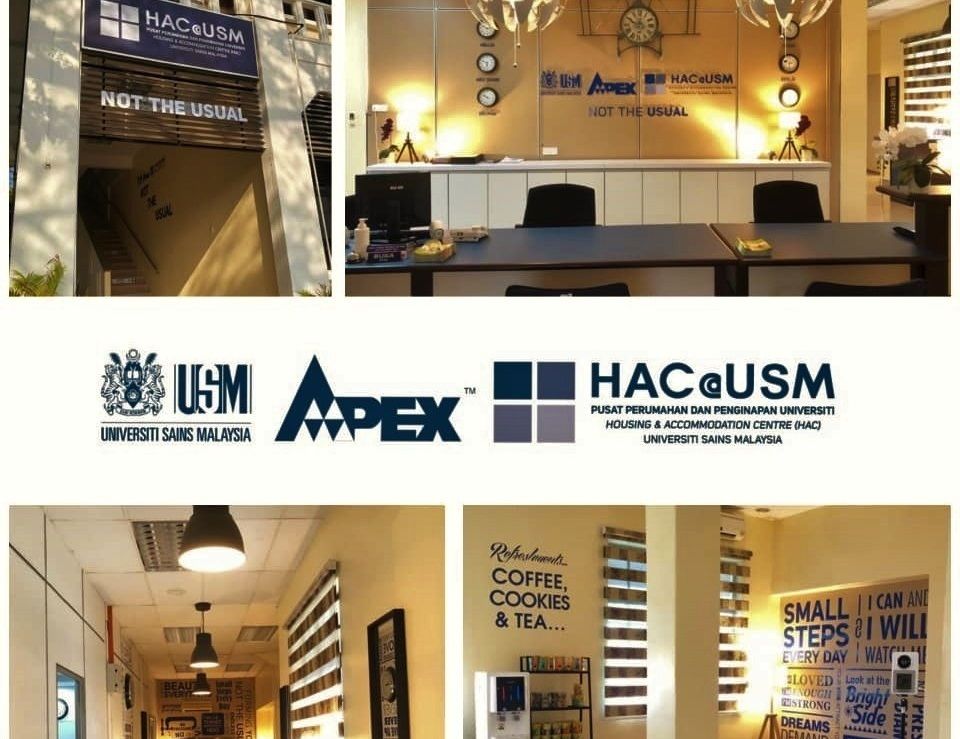

Building New Infrastructure to Sustainable Standards
Universiti Sains Malaysia ensures that all new buildings are designed and constructed to sustainable standards, as outlined in the USM Energy Policy (Revised 2025) (p. 2) and the USM Sustainability Action Plan 2021-2025 (pp. x, pp. 32–33). These institutional frameworks integrate energy efficiency, renewable energy adoption, and low-carbon development principles into campus planning and construction projects.
Under the USM Energy Policy (p. 2), all new and renovated buildings are required to comply with MS 1525:2007, the Malaysian Standard for Energy Efficiency and Use of Renewable Energy for Non-Residential Buildings. This policy ensures that new developments meet stringent energy performance criteria, promote thermal comfort, and reduce greenhouse gas emissions. It also establishes measurable sustainability targets, including a 10% reduction in energy consumption (baseline 2015) and achieving 50% renewable energy contribution by 2030, reflecting USM’s long-term commitment to responsible and efficient energy use.
The USM Sustainability Action Plan (pp. x, pp. 32–33) strengthens this commitment by mandating that 100% of new developments meet MS 1525:2007 sustainable building standards by 2025, and that all new facilities pursue Energy Management Gold Standard (EMGS) certification under the ASEAN Energy Management Scheme (AEMAS), in alignment with ISO 50001 energy management practices. The plan also promotes green procurement, sustainable materials, and environmentally responsible construction methods to minimise carbon emissions and enhance building performance throughout their life cycle.
Together, these frameworks demonstrate USM’s strong institutional commitment to build new buildings to sustainable standards, reduce energy use, and advance national goals for a carbon-neutral future.


BUILT ENVIRONMENT
In USM, the built environment emphasizes eco-friendly construction, energy-efficient facilities, and green spaces, fostering a sustainable and conducive campus atmosphere.

WATER
USM prioritizes responsible water use and conservation. We employ water-saving technologies and promote conservation practices, engaging the campus community through education and awareness campaigns.

WASTE
USM emphasizes waste minimization and recycling. Our efforts include recycling facilities, awareness campaigns, and collaborations for proper waste management.

ENERGY
USM prioritizes energy sustainability through efficiency and renewable sources. As part of our effort to reduce carbon emissions, we adopt energy-saving tech, lighting, and solar panels.

CLIMATE ACTION
USM is dedicated to climate change mitigation and adaptation. We integrate climate topics into our curriculum, conduct research, and organize awareness campaigns, seminars, and workshops.

HEALTH & WELLBEING
USM prioritizes sustainability through health and well-being initiatives by promoting physical and mental health, offering recreational facilities, and fostering a holistic and sustainable campus community.

BIODIVERSITY & ECOSYSTEM
USM emphasizes biodiversity conservation and ecosystem management in conducting research, collaborating with stakeholders, integrating biodiversity education, and practicing sustainable land use.