

Universiti Sains Malaysia

Empowering Communities through NGO Collaboration: USM’s Commitment to SDG Action and Education

Empowering Communities through NGO Collaboration: USM’s Commitment to SDG Action and Education
Universiti Sains Malaysia continues to expand its impact on sustainable development by partnering with non-governmental organisations (NGOs) through student outreach, applied research, and the co-creation of learning resources. These initiatives reflect USM’s enduring commitment to collaboration with NGOs for SDGs, actively working to collaborate with NGOs to tackle the SDGs through student volunteering programmes, research programmes, and the development of educational resources that generate tangible community and environmental benefits.

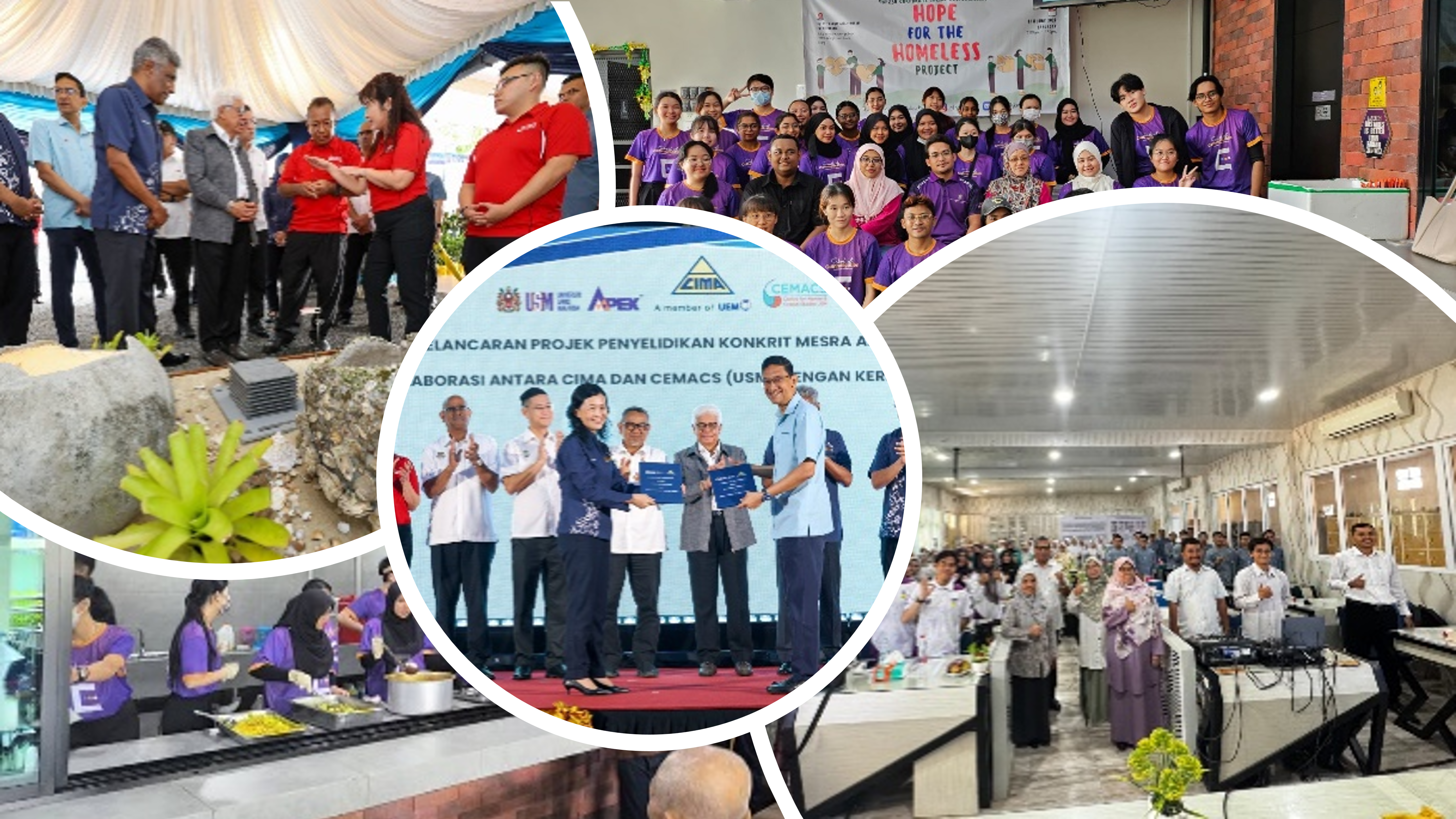
Through the Giving Hope to the Homeless initiative, USM students collaborated with local NGOs to support the urban homeless community. The programme combined direct volunteer assistance, public awareness campaigns, and empathy-based education, enabling youth to participate in student volunteering programmes that advance SDG 1 (No Poverty) and SDG 10 (Reduced Inequalities).

In the field of research, the USM–CIMA–MBPP Green Cement Collaboration brought together academia, NGOs, and municipal partners to develop and test sustainable construction materials for marine environments. This research programme strengthens SDG 9 (Industry, Innovation and Infrastructure) and SDG 13 (Climate Action) by translating laboratory innovation into real-world environmental protection solutions.

Meanwhile, USM RCE Penang spearheaded the development of educational resources by co-creating SDG-themed videos and storybooks with education partners. These materials, shared with SMAN 10 Fajar Harapan in Indonesia and schools in Malaysia, empower young learners to act as sustainability advocates and support SDG 4 (Quality Education) and SDG 17 (Partnerships for the Goals).

Together, these collaborative efforts demonstrate USM’s holistic approach to sustainable development—integrating volunteerism, research excellence, and educational innovation through strong partnerships with NGOs to advance the SDGs locally and globally.

Local Start-Up Assistance through Innovation and Community Engagement

Local Start-Up Assistance through Innovation and Community Engagement

Universiti Sains Malaysia provides free assistance in the local community supporting the start-up of financially and socially sustainable businesses through its Social Innovation and Knowledge Transfer Unit under the Division of Industry and Community Network (DICN) and the Centre for Innovation and Consultation (CiC). These initiatives combine mentorship programmes, training workshops, and access to university expertise and facilities to strengthen entrepreneurship capacity and promote inclusive, sustainable enterprise development.

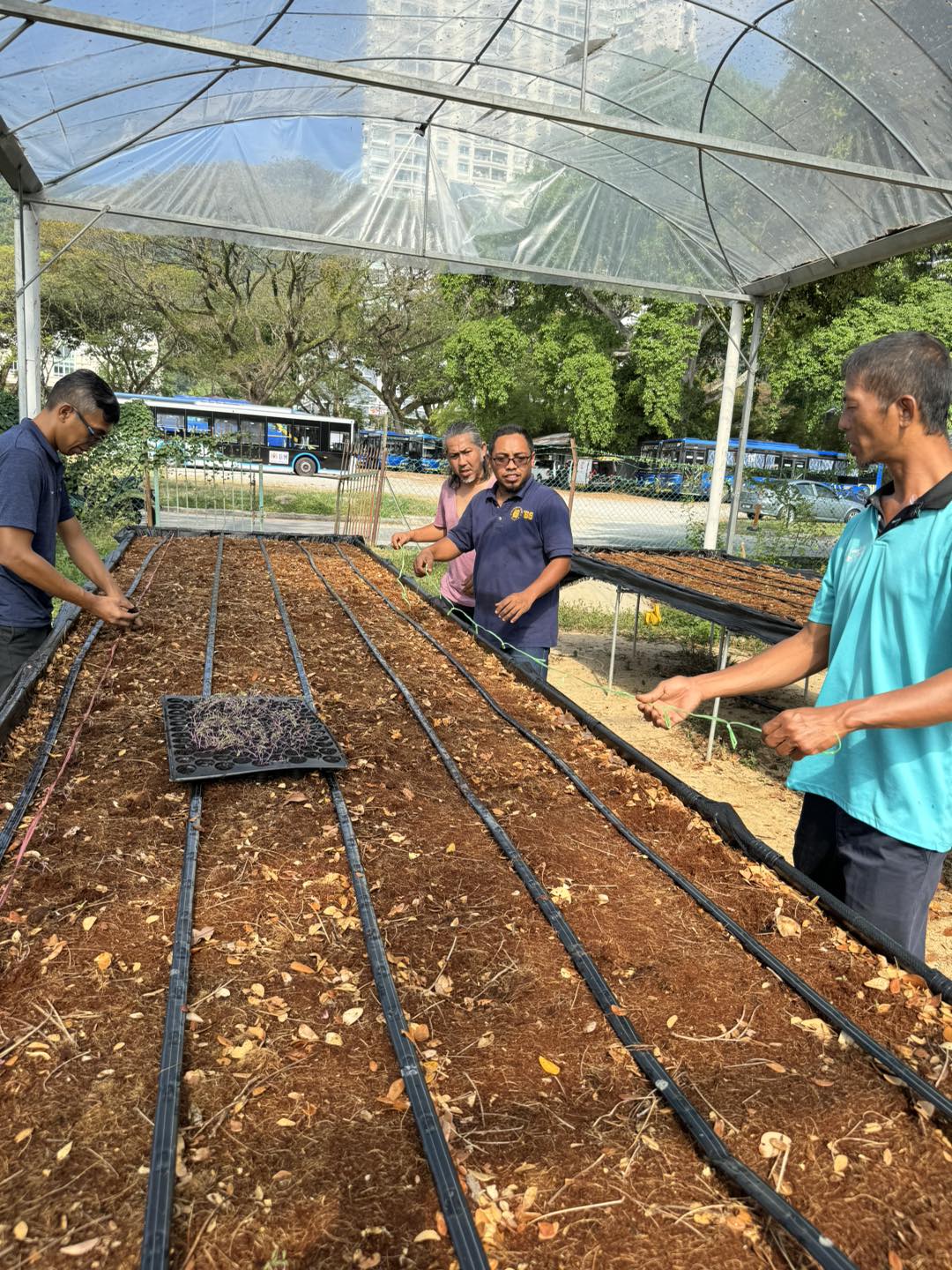
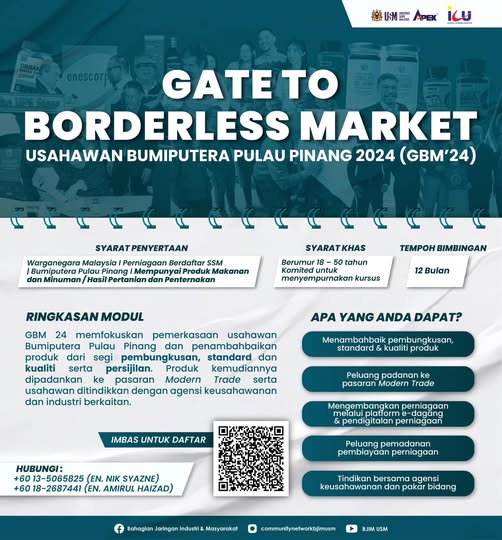
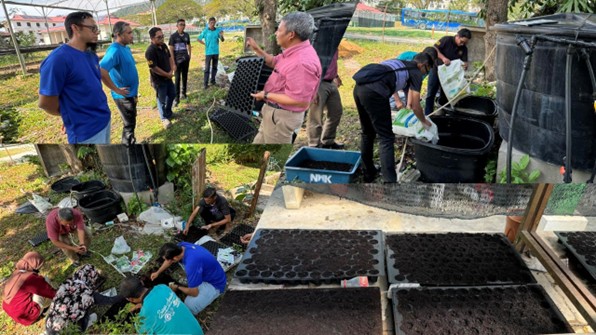
In February 2024, USM organised the Kampus Tani Hydroponic Project in collaboration with the Penang State Department of Agriculture. This hands-on training workshop equipped low-income staff with practical skills in hydroponic cultivation, nutrient formulation, and sustainable farming techniques. The programme not only fostered environmental awareness but also provided participants with income-generating opportunities, supporting both financial resilience and community greening. In June 2024, BJIM launched the Gate to Borderless Market (GBM’24) programme for Bumiputera entrepreneurs in Penang, offering comprehensive business mentoring, digital commerce training, and micro-credential certification, all free of charge. The initiative enabled participants to enhance product quality, packaging standards, market access, and financial literacy while connecting them with government and industry mentors.

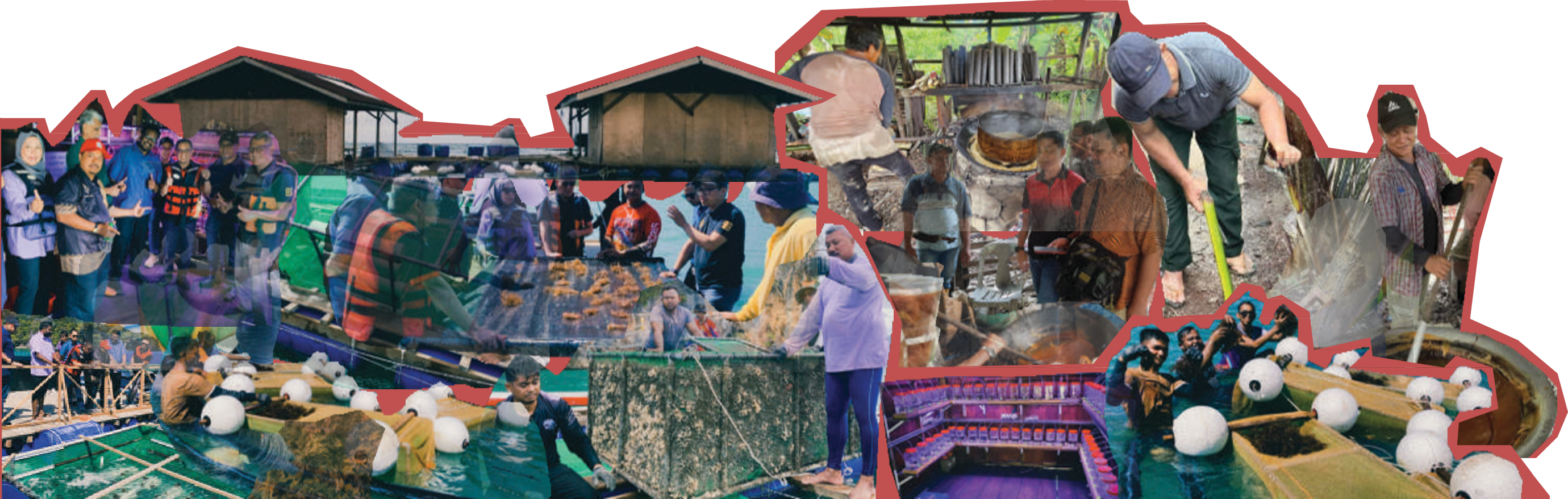
In December 2024, the SIPS Gula Apong Premium Commercialisation Project extended USM’s community-based entrepreneurship efforts to Sarawak. Conducted with SPL Food Industries Sdn. Bhd., the programme provided training on sustainable production practices, introduced standard operating procedures for clean sugar processing, and distributed production equipment to local participants, supporting continuous small-scale enterprise development within rural communities.

Complementing these community-focused programmes, the Centre for Innovation and Consultation (CiC USM) held the Bengkel Kertas Strategi Syarikat Pemula/Syarikat Terbitan Universiti from 22 to 23 December 2024 at the Olive Tree Hotel, Penang. The two-day strategic workshop, attended by senior USM leadership and innovation experts, focused on strengthening the university’s start-up and spin-off ecosystem through policy alignment, legal guidance, and innovation strategy development.

Through these combined efforts, USM demonstrates a strong institutional commitment to advancing social innovation, entrepreneurship, and community empowerment. By providing free education, mentorship, and resource access, the university plays an active role in nurturing financially and socially sustainable start-ups, contributing to inclusive local economic growth and Malaysia’s broader sustainable development agenda.

USM Local Start-up Financial Assistance

USM Local Start-up Financial Assistance

Universiti Sains Malaysia provides financial assistance to the local community supporting the start-up of financially and socially sustainable businesses through a series of structured initiatives that promote entrepreneurship, innovation, and inclusive economic development. These programmes, coordinated by the Division of Industry and Community Network (DICN) and its Unit Peneraju Inovasi Sosial & Pemindahan Ilmu, demonstrate USM’s commitment to translating research and social innovation into sustainable livelihood opportunities for local communities, particularly the B40 income group.

In 2024, the Gate to Borderless Market (GBM’24) programme channelled approximately RM150,000 in business development support for Bumiputera entrepreneurs in Penang. This initiative offered free capacity-building, mentoring, and financial matching opportunities with agencies such as SME Corp, MARA, and Digital Penang to help participants enhance product quality, adopt digital tools, and expand into national markets.

The Agropelancongan Permatang Nibong Project provided RM500,000 to develop community-based agro-tourism enterprises through infrastructure improvement, packaging innovation, and skills training, while the Ekopelancongan Sungai Acheh Project allocated RM200,000 to support eco-tourism and mangrove conservation-based entrepreneurship.

Under the Social Enterprise–Ministry of Finance (SE-MOF) Rambutan Project, participants received funding for materials, processing tools, and cooperative development, earning between RM3,000 and RM7,000 per month (p. 65). The SE-MOF Black Soldier Fly Larvae Project extended start-up financing and technical support for sustainable organic waste management enterprises, empowering B40 entrepreneurs through circular economy initiatives.

Additionally, the Yayasan Petronas Empower ECER Skills Programme contributed RM400,000 in financial matching assistance, combining entrepreneurship education with direct capital funding to support small business growth across the East Coast Economic Region.

Collectively, these initiatives represent over RM1.4 million in direct financial assistance disbursed by USM in 2024 to empower local communities and social entrepreneurs. Through these targeted investments, USM fulfils the Indicator 1.4.2 methodology by providing tangible financial assistance for the start-up of financially and socially sustainable businesses, reinforcing its role as a catalyst for equitable economic transformation.

USM Initiatives to Improve Access to Basic Services for All

USM Initiatives to Improve Access to Basic Services for All

Universiti Sains Malaysia (USM) continues to uphold its commitment to community well-being by organising training and outreach programmes that directly improve access to basic services for all, particularly for vulnerable and underserved populations. Conducted throughout 2024, these directly supplied initiatives enhanced access to essential health, food, and water services, supporting inclusive growth and community resilience in line with the United Nations Sustainable Development Goals (SDGs).

Health Access for Local, Special Needs, and Refugee Communities

USM strengthened its health outreach and education through directly supplied community-based programmes addressing hygiene, preventive care, and inclusive health awareness. On 31 July 2024, Pusat Sejahtera USM, in collaboration with the University of Electronic Science and Technology of China (UESTC), held a Community Health Programme for children from the Pusat Pemulihan Dalam Komuniti (PPDK). Medical and nursing students conducted practical demonstrations on oral hygiene, handwashing, and disease prevention, helping children adopt healthy habits while building trust between USM and local communities.

For the special needs community, the Pusat Transformasi Orang Kurang Upaya (OKU) USM implemented Latihan Pekerjaan OKU Melalui Projek Pertanian Bersepadu on 17 December 2024, led by Dr. Mohd Zulkifli Abdul Rahim. The programme provided 24 participants with integrated agricultural training and entrepreneurial guidance, supported by ENOKU with tools and materials to facilitate learning. This initiative improved access to rehabilitation-based vocational services and promoted self-sufficiency for persons with disabilities.

Extending its outreach to displaced communities, USM’s Centre for Global Sustainability Studies (CGSS) and Pusat Sejahtera organised a Dental Health Awareness Programme on 16 July 2024 for Rohingya refugee children at the Rohingya Education Centre, Penang. The session, led by Dr. Radieah Mohd Nor, offered free dental education and preventive care to refugee children, ensuring access to fundamental oral health services for a highly underserved group.

Together, these directly supplied programmes demonstrate USM’s holistic approach to improving access to health and rehabilitation services, bridging social gaps, and advancing SDG 3 (Good Health and Well-being), SDG 8 (Decent Work and Economic Growth), and SDG 10 (Reduced Inequalities).

Water Access and Environmental Awareness

On 25 May 2024, USM participated in the Penang State-Level World Water Day 2024 Celebration at Bukit Dumbar Recreational Park, jointly organised by Water Watch Penang (WWP) and the Penang Water Supply Corporation (PBAPP). The event promoted equitable access to clean water under the theme “Save Water for Penang 2030.”
USM’s School of Humanities and River Engineering and Urban Drainage Research Centre (REDAC) showcased the BIOECODS sustainable water management system, a national pilot project that integrates ecological drainage technology to support public access to safe and sustainable water resources.

Campus-Based Food and Nutrition Access

In addressing food insecurity and nutrition access, USM implemented several directly supplied campus-wide initiatives throughout 2024.
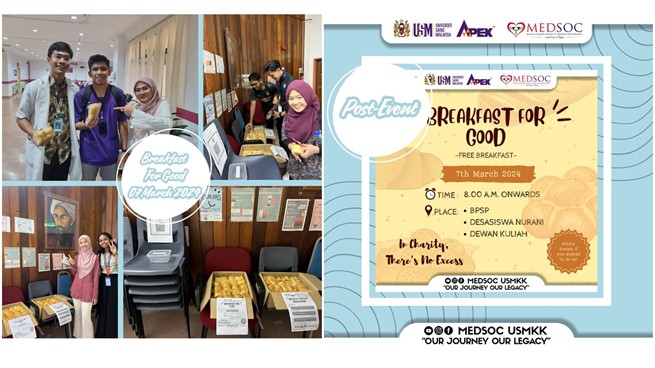
The Moreh Giveaways and Breakfast for Good programmes provided free meals during Ramadan and semester periods to ensure that no student began the day hungry. The Communication Foodbank and Foodbank@PPTIdistributed weekly food supplies and hygiene kits to students from low-income households. The long-standing Iftar@USM programme delivered 2,000 to 3,000 meals daily across multiple campuses during Ramadan, supported by staff, students, and local volunteers.

These directly supplied programmes play a crucial role in ensuring equitable access to nutritious food, reinforcing social solidarity, and supporting the SDG 2 (Zero Hunger) agenda.

USM Free Access to Sustainable Food Security Knowledge

USM Free Access to Sustainable Food Security, Agriculture, and Aquaculture Knowledge

Universiti Sains Malaysia (USM) continues to strengthen community resilience and food sustainability by providing free access to food security, agriculture, and aquaculture knowledge, skills, and technology for local farmers and food producers. Through a series of community-based and government-supported programmes, USM ensures that scientific research is translated into practical applications that directly benefit livelihoods and promote Sustainable Development Goal (SDG) 2: Zero Hunger and SDG 14: Life Below Water.

Introductory Workshop on Sustainable Aquaculture for Oysters and Sea Cucumbers

From 27 to 29 May 2024, the Centre for Marine and Coastal Studies (CEMACS) reinforced its commitment to sustainable aquaculture through a free training programme designed to empower local fish farmers and coastal communities. Supported by three Ministry of Higher Education (MOHE) community research grants, the initiative translated academic knowledge into hands-on technical expertise focused on sustainable aquaculture management.

Participants from Langkawi, Merbok, Morib, and Muar took part in the Introductory Workshop on Sustainable Aquaculture for Oysters and Sea Cucumbers, gaining practical experience in oyster farm management, depuration system operation, feed formulation, water quality monitoring, and disease control. These modules helped participants develop the capacity to manage aquaculture systems more efficiently while ensuring product safety and ecological balance. By offering the training free of charge, CEMACS provided local farmers and producers with direct access to food security knowledge and sustainable aquaculture practices that improve livelihoods, productivity, and environmental resilience.

Projek Kampus Tani (Campus Urban Farming Project)

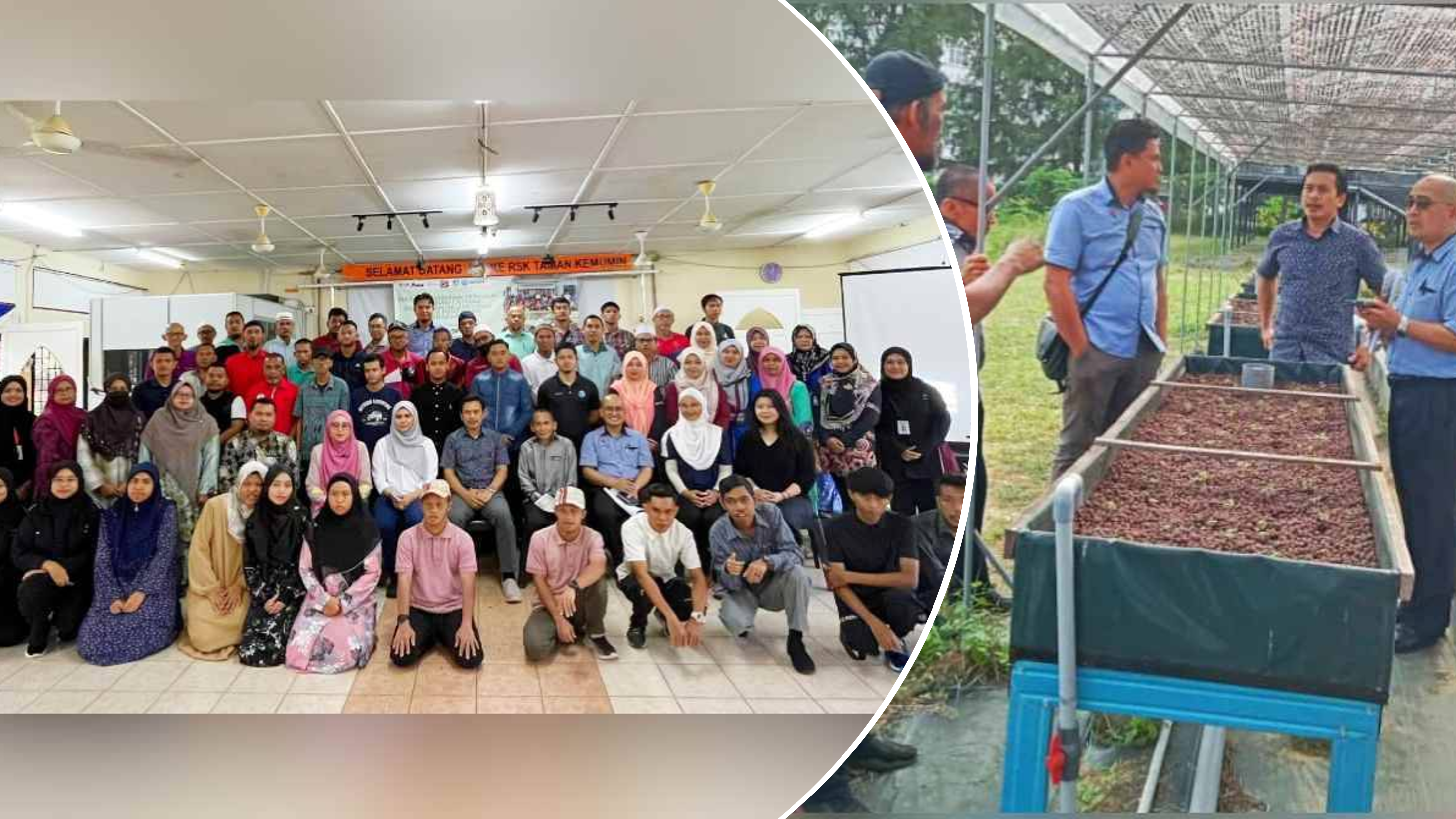
On 31 January 2024, USM launched the Projek Kampus Tani (Campus Urban Farming Project), a free training initiative organised in collaboration with the Penang State Department of Agriculture. Coordinated by the School of Biological Sciences and monitored by the Division of Industry & Community Network (BJIM), the programme aimed to equip local food producers and staff with practical, sustainable farming knowledge.

Participants learned hands-on horticultural techniques such as cocopeat flushing, seedling propagation, and nutrient solution preparation. Within two weeks, seedlings were successfully transferred to tabletop fertigation systems, enabling the cultivation of healthy local vegetables such as salad greens, spinach, mustard, water spinach, and Chinese kale.

By offering the programme at no cost, USM ensured that essential agricultural knowledge and technologies were directly accessible to the community, enhancing urban food self-sufficiency and empowering participants to adopt sustainable practices that strengthen local food systems.

Through free, directly supplied training programmes and capacity-building initiatives, Universiti Sains Malaysia demonstrates its commitment to improving access to sustainable food production knowledge for local farmers and producers. By bridging academic research with community empowerment, USM continues to lead in fostering inclusive, practical, and sustainable solutions for food security and rural development.

USM Free Events Connecting Local Farmers and Food Producers Through Knowledge Transfer

USM Free Events Connecting Local Farmers and Food Producers Through Knowledge Transfer

Universiti Sains Malaysia (USM) continues to strengthen community resilience and sustainable food systems by providing free events that connect local farmers and food producers for knowledge transfer and capacity building. These events promote collaboration between researchers, industry players, and agricultural communities to share scientific insights and practical innovations that advance sustainable food production and food security.

USM Fig@MAHA 2024: Knowledge Transfer with Local Farmers and Food Producers

At the Malaysia Agriculture, Horticulture and Agrotourism Show (MAHA 2024), held from 11 to 22 September 2024 at the Malaysia Agro Exposition Park Serdang (MAEPS), Universiti Sains Malaysia (USM) took an active role in promoting sustainable agriculture through free public engagement and knowledge-sharing sessions.

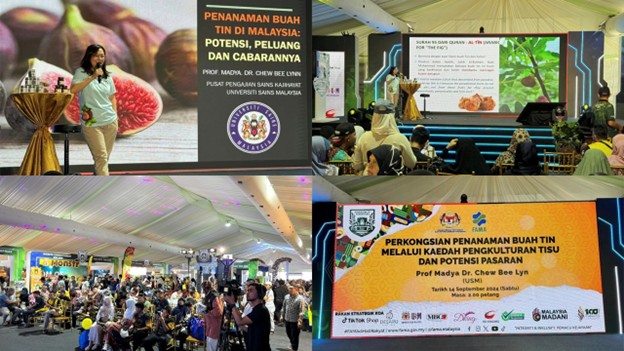
A key highlight of the exhibition was a knowledge transfer session on fig tree cultivation delivered by Assoc. Prof. Dr. Chew Bee Lynn from the School of Biological Sciences, USM, on 14 September 2024 at the Kingdom of Agrofood Main Stage. Drawing from her experience at USM’s Superfruit Farm, Dr. Chew provided farmers and food producers with practical insights on fig propagation, maintenance, and post-harvest management.

Participants also engaged in a live demonstration featuring natural fig fruit jam and fig leaf tea, prepared without preservatives or artificial sweeteners, showcasing value-added applications for small-scale producers. The event served as a free, open-access platform for farmers and agripreneurs to exchange ideas, learn sustainable cultivation methods, and build networks with researchers and entrepreneurs.

USM X RECODA Engagement Programme on Aquaculture, Tissue Culture, and Rice cultivation

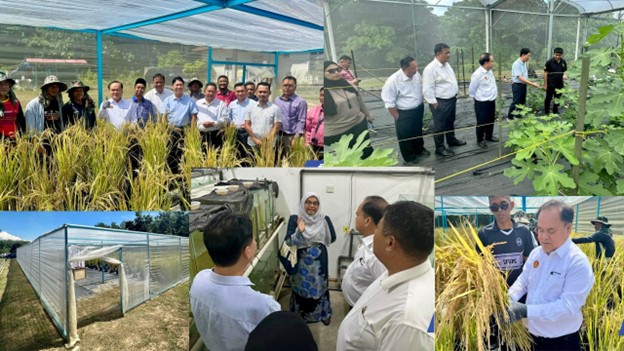
On 12 July 2024, USM hosted the Engagement Programme on Aquaculture, Tissue Culture, and Rice Cultivation, in collaboration with the Regional Corridor Development Authority (RECODA) and the Upper Rajang Development Agency (URDA). The initiative was organised as a free knowledge exchange and field engagement event, aimed at connecting government agencies, local farmers, and university experts in sustainable food production.

Participants visited several USM-led community project sites in Penang and Baling, Kedah, to observe demonstrations of freshwater fish farming systems, fig tissue culture innovation, and polybag rice cultivation methods. These site visits allowed attendees to witness how science, technology, and local knowledge can work together to improve productivity, efficiency, and environmental sustainability in agriculture.

The event facilitated direct collaboration and idea exchange among researchers, entrepreneurs, and rural farmers, helping to disseminate practical innovations that enhance food security and income generation in Sarawak’s rural communities. This engagement reflects USM’s strong commitment to knowledge transfer, sustainable agriculture, and inclusive rural development.

Through free, directly supplied events that promote collaboration and knowledge exchange, Universiti Sains Malaysia demonstrates its dedication to advancing sustainable food production and empowering farming communities. By bridging academic research with local practices, USM ensures that farmers and food producers gain practical access to innovation, expertise, and networks that support long-term food security and community well-being.

USM Free Access to University Facilities and Technology for Local Farmers and Food Producers

USM Free Access to University Facilities and Technology for Local Farmers and Food Producers

Free Access to Bee Technology and Sustainable Stingless-Bee Innovation

Universiti Sains Malaysia strengthens community-based sustainable agriculture by ensuring that it provide access to university facilities to local farmers and food producers to improve sustainable farming practices, particularly through initiatives that offer free access to technology, laboratory resources and expert support. A key example is AnNaHL, a Translational Centre at USM that advances Malaysia’s honey industry by working closely with networks of stingless-bee keepers across the country. Through AnNaHL, local beekeepers receive free access to specialised technology, scientific guidance and laboratory testing that support sustainable kelulut (stingless-bee) farming. The centre also assists in GMP certification efforts, conducts applied research, trains university students and community beekeepers, and promotes honey as a viable commodity for local and international markets.

Central to these efforts is Kelulunomic, a socio-economic model led by Dr Mohd Zulkifli Mustafa. Kelulunomic focuses on elevating honey authenticity, safety and quality through scientific innovation while empowering communities with sustainable beekeeping knowledge. Local beekeepers benefit from free access to USM’s laboratory facilities, testing services, technology innovation and technical consultations that enhance honey production practices, biodiversity conservation and long-term livelihood sustainability. By enabling the production of authentic, hygienic and high-quality stingless-bee honey, Kelulunomic strengthens community income opportunities, supports pollination and bee conservation, and contributes to national biodiversity and food security.

Free Testing and Consultancy Services by the School of Industrial Technology, Universiti Sains Malaysia (USM) for Local Farmers and Food Industries

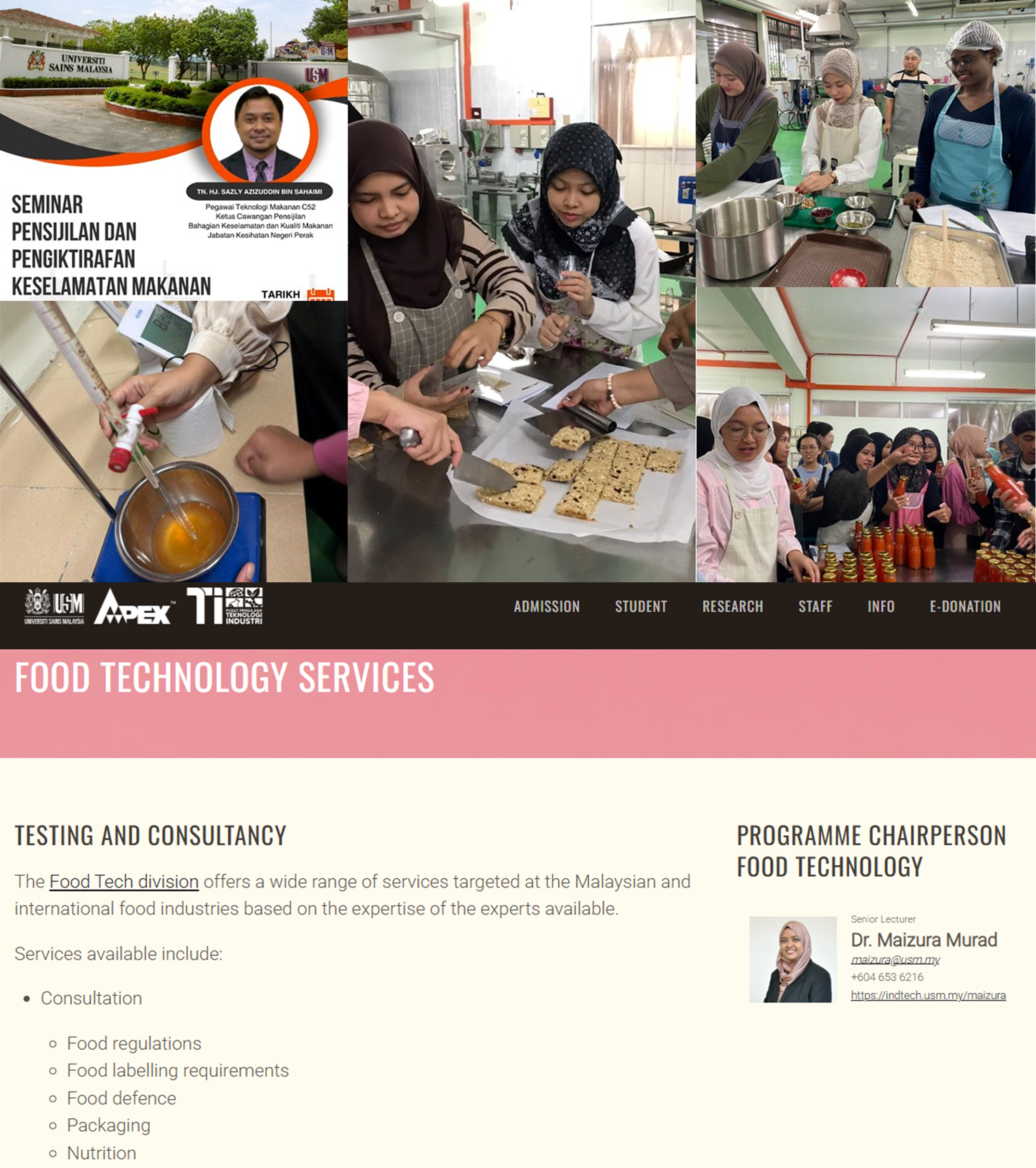
USM further demonstrates its commitment to ensuring that it provide access to university facilities to local farmers and food producers to improve sustainable farming practices through the extensive services offered by the School of Industrial Technology. Through its Food Technology Division, USM provides free or low-cost access to laboratory testing, scientific expertise, advanced analytical equipment and professional consultancy to farmers, small food businesses and local food industries. These services empower producers to enhance product safety, quality and sustainability.

The division offers technical guidance on food regulations, labelling, packaging, food safety protocols and nutrition requirements, ensuring producers meet national food standards. It also conducts a wide range of testing and applied research, including shelf-life studies, foodborne pathogen identification, microbiological safety analyses, human clinical trials, plant-based product development and sensory evaluations. Additional analyses, such as rheological and textural assessments, support improvements in food quality and processing efficiency. Training workshops and certification programmes further equip local producers with skills to adopt safer, more sustainable and more innovative farming and production practices. Through these initiatives, USM provides meaningful knowledge transfer and access to university facilities that strengthen the capacity of local farmers and food producers to contribute to a more resilient, sustainable and forward-looking food system.