


Sustainable Fisheries and Aquaculture Outreach Programmes

Universiti Sains Malaysia offers free educational programmes and outreach for local and national communities on the sustainable management of fisheries, aquaculture, and tourism through initiatives led by the Centre for Marine and Coastal Studies (CEMACS). These programmes promote responsible marine resource management, biodiversity conservation, and sustainable livelihoods aligned with national and global sustainability goals.
In October 2024, CEMACS collaborated with the Centre for Innovation and Consultation (CIC) and Leave A Nest to organise the Sustainable Aquaculture Summit 2024 (SAS2024) at the main campus in Penang. The summit provided a free, inclusive educational platform for participants from academia, industry, and government to exchange knowledge and foster partnerships in sustainable fisheries and aquaculture. Over 200 participants attended the sessions, which highlighted sustainable feed alternatives, AI-driven aquaculture technologies, and water quality management systems. These discussions encouraged innovation and community participation in advancing environmentally responsible aquaculture and tourism practices.


In May 2024, CEMACS conducted an Introductory Workshop on Sustainable Aquaculture for Oysters and Sea Cucumbers, also offered free of charge to coastal communities from Langkawi, Merbok, Morib, and Muar. Participants received hands-on training in aquaculture techniques and the use of depuration systems to ensure food safety, environmental protection, and sustainable harvests. Supported by the Ministry of Higher Education, this initiative demonstrates USM’s commitment to translating scientific research into accessible community knowledge that supports sustainable coastal economies.
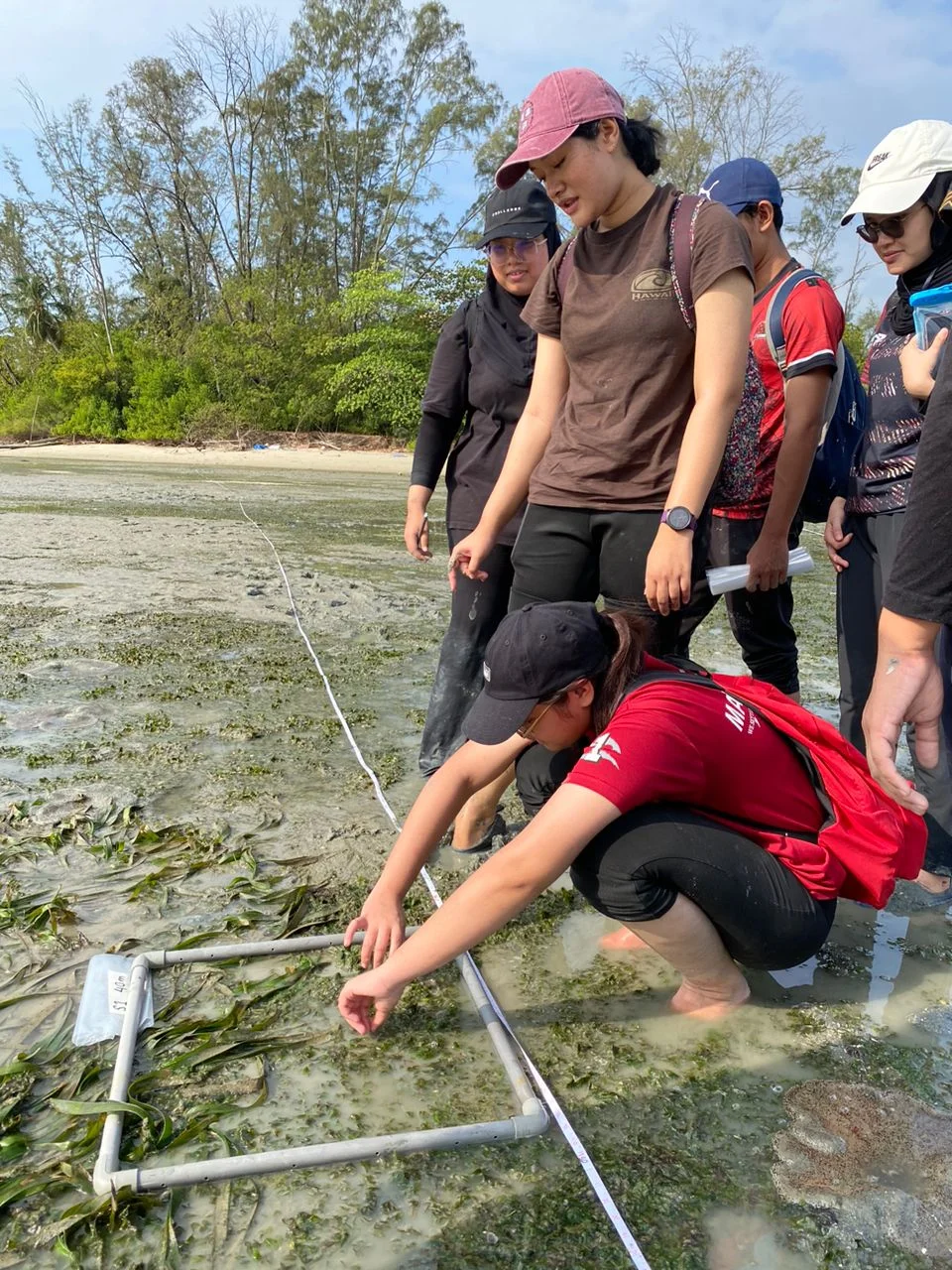

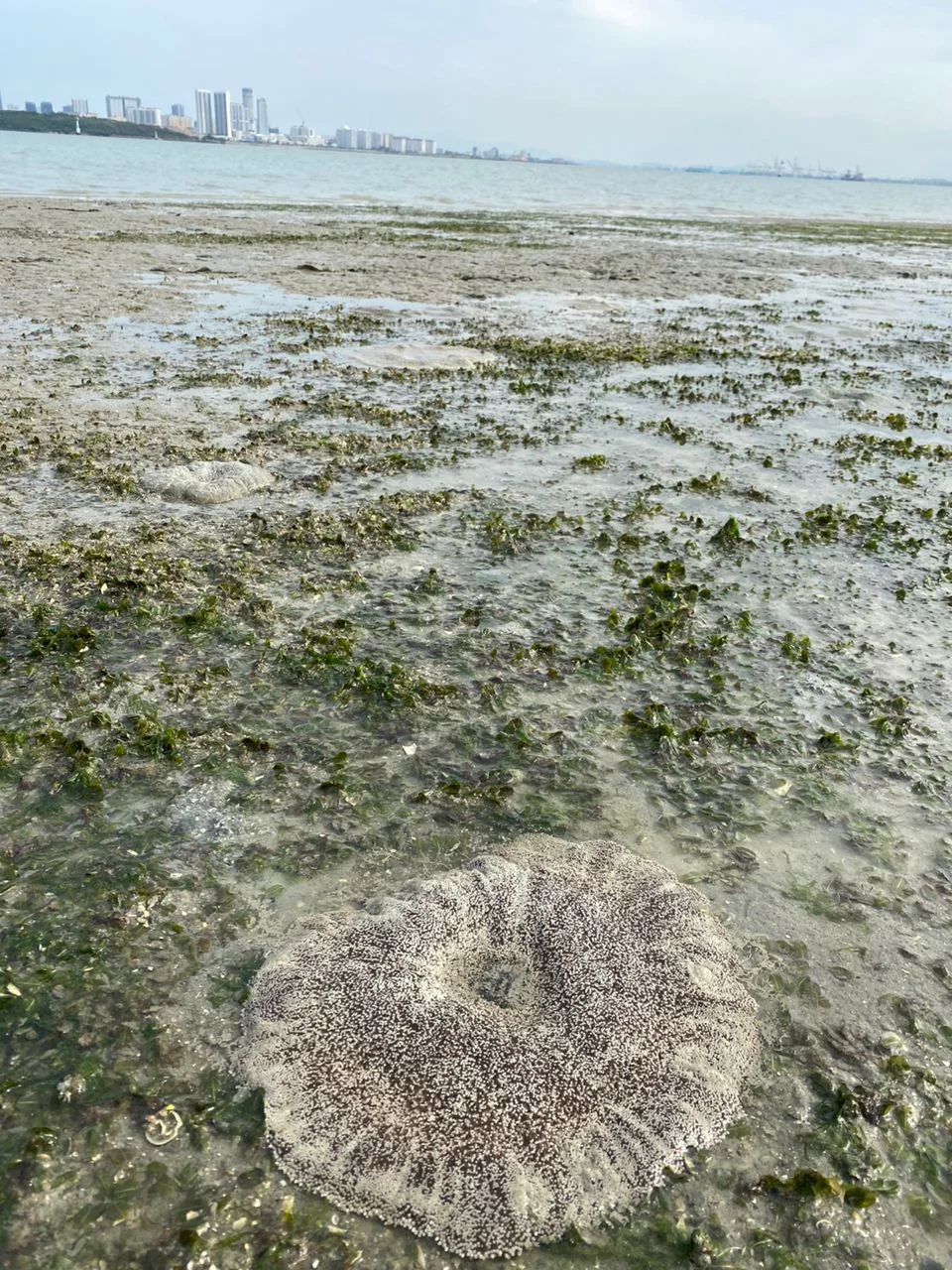
CEMACS also continues to engage youth through free marine education, including field courses at Pulau Gazumbo’s seagrass meadows, where students explore the ecological role of seagrasses in supporting fisheries and marine biodiversity.
Aligned with the USM Sustainability Policy (Revised 2024) under SDG14, these outreach activities demonstrate USM’s ongoing commitment to the sustainable management of fisheries, aquaculture, and marine ecosystems through inclusive education, research translation, and community empowerment.